What type of power cut do you want to be prepared for?
Not every power disruption requires the same solution. A voltage dip lasting a few milliseconds calls for a different approach to a complete power cut lasting several hours. That is why Electroproject first analyses which type of power interruption or power quality issue you wish to address.
| Situation | Typical duration | Appropriate course of action |
|---|---|---|
| Power dip | milliseconds to seconds | Static UPS, dynamic UPS, flywheel UPS |
| Brief power cut | seconds to minutes | UPS with battery, flywheel or dynamic UPS |
| Temporary power supply until the generator starts | a few seconds to about one minute | UPS, flywheel or dynamic UPS combined with a generator set |
| Prolonged power cut | minutes to hours or longer | Emergency power generator, possibly combined with a UPS or battery storage system |
| Poor grid quality | continuous or repetitive | Power conditioning, UPS, dynamic UPS or mains stabilisation |
| Network congestion or limited connection capacity | structural | Battery storage, smart microgrid, peak shaving or hybrid emergency power solution |
The best choice depends on three factors: criticality, power and autonomy. The more critical the process and the shorter the permissible interruption, the more carefully the emergency power system must be designed.
For which organisations is emergency power supply relevant?
Emergency power is essential for any organisation where a power cut would directly result in risk, damage or a loss of business continuity. This applies not only to hospitals and data centres, but also to manufacturing companies, logistics centres, the utilities sector, infrastructure and technical service providers.
An emergency power supply system rarely consists of a single, stand-alone product. In practice, it involves a clever combination of components that work together to ensure business continuity.
Electroproject therefore looks not just at the equipment, but at the entire energy system. Which loads are critical? Which inrush currents are a factor? How quickly must the system respond? How long must the installation be able to operate autonomously? And how does the emergency power supply fit within the existing electrical infrastructure?
This results in a solution that is technically sound and makes good business sense.
The right solution for every interim period
The required backup time is a key factor in choosing the right emergency power solution.
| Desired bridging | Suitable solution | Typical application |
|---|---|---|
| Milliseconds | Online UPS, dynamic UPS, flywheel UPS | Protection against voltage dips, mains interference and brief interruptions |
| A few seconds | Flywheel, dynamic UPS or battery-backed UPS | Bridge phase until the generator starts up or controlled stabilisation |
| A few minutes | Static UPS with battery, dynamic UPS or hybrid UPS solution | Servers, process control, building services and critical equipment |
| 15 to 60 minutes | UPS with a larger battery capacity or battery container | Short autonomy, controlled shutdown or temporary continuity |
| Several hours | Emergency power generator, possibly combined with a UPS or battery storage system | Manufacturing, healthcare, logistics, data centres, utilities and infrastructure |
| Hours to days | Generator set with fuel supply and, where applicable, redundancy | Mission-critical environments where long-term availability is required |
Important: UPS systems, flywheels, batteries and generators are not direct alternatives. They each fulfil a different role.
A UPS or flywheel provides protection for the first few milliseconds or seconds. A generator supplies power for a longer period. Battery storage can also help with autonomy, peak shaving or alleviating grid congestion. The key lies in finding the right combination.
Our emergency power solutions
Static UPS systems
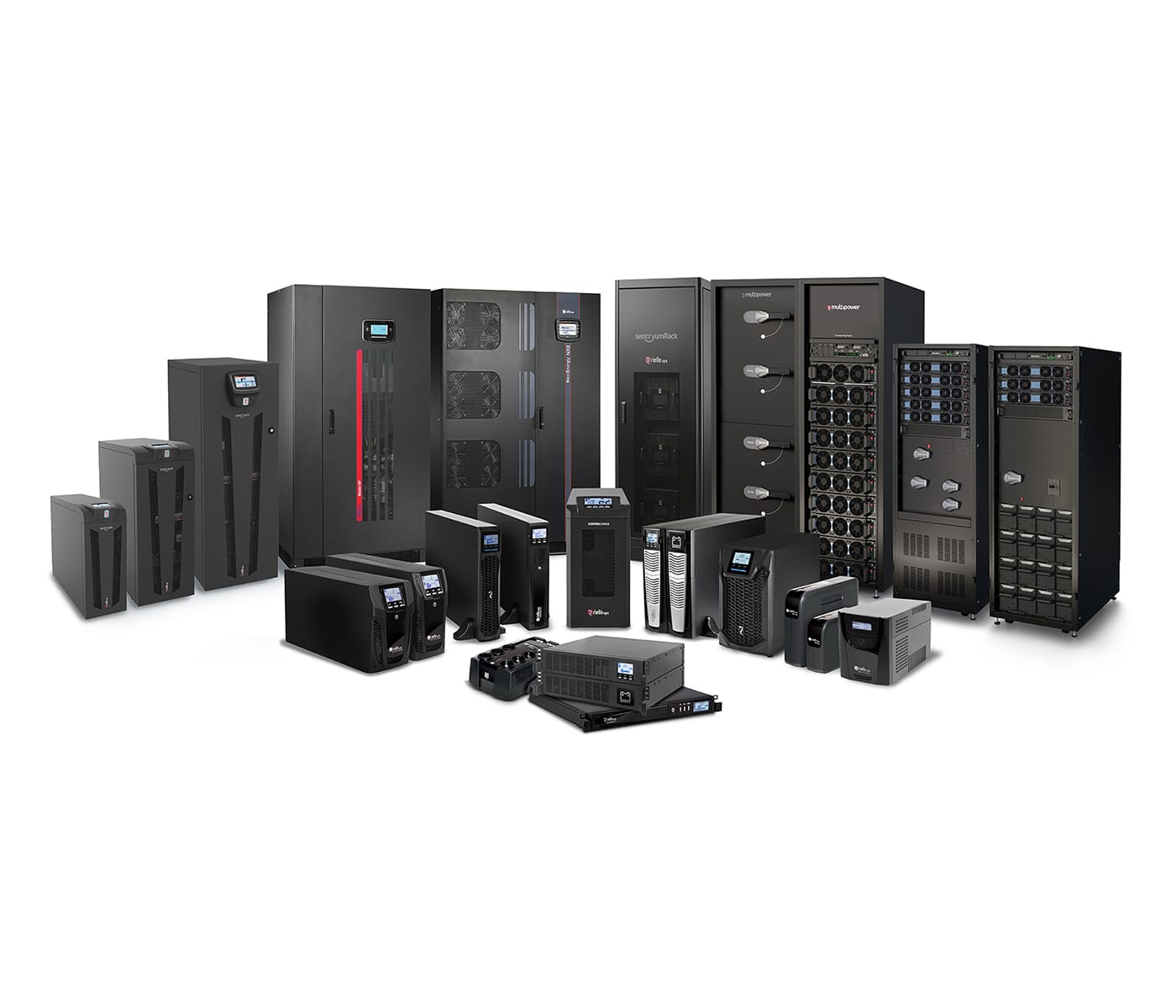
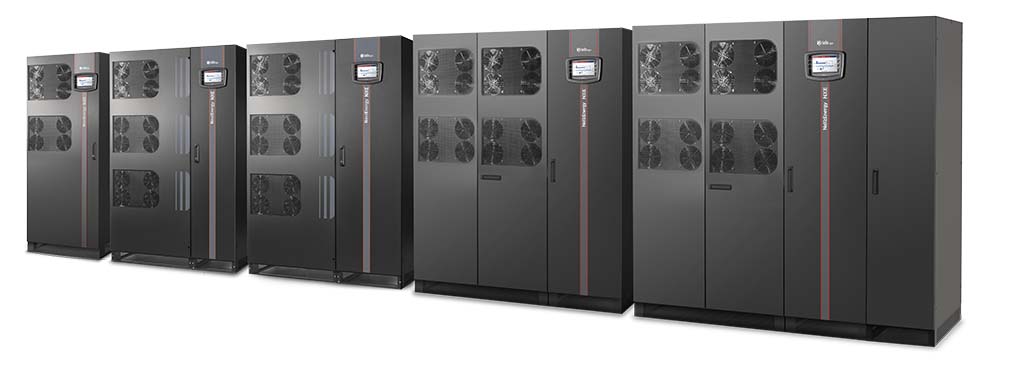
A static UPS protects sensitive equipment against voltage dips, mains power failures, frequency deviations and other disturbances in mains power quality. In the event of a power cut, the battery immediately takes over the power supply, ensuring that critical equipment continues to operate without any noticeable interruption.
Static UPS systems are often used in servers and IT infrastructure, in process control and PLCs, and in medical or laboratory equipment. In addition, they often play a critical role in ensuring the continuity of building management systems, security and access control systems, and in industrial installations containing sensitive electronics.
Within this field, Electroproject works with solutions from, amongst others, Riello UPS.
Dynamic UPS systems
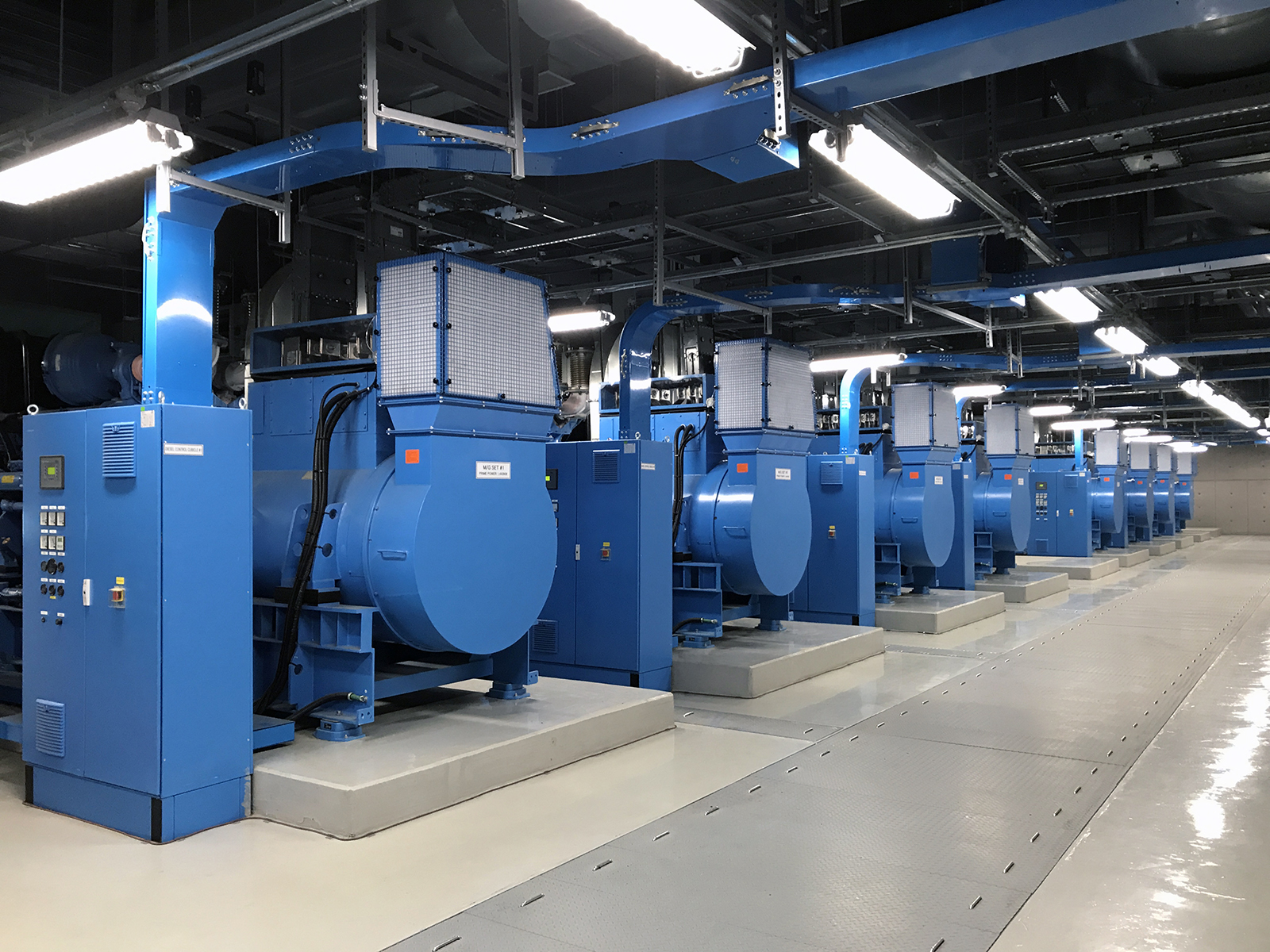
A dynamic UPS, sometimes also referred to as a rotary UPS, uses rotating mass and electromechanical technology to protect the load. These systems are particularly well-suited to high-power, heavy-duty industrial applications and mission-critical environments.
Dynamic UPS systems are of particular interest where the reliability, robustness and high availability of the equipment are crucial. Examples include data centres, hospitals, airports, industrial plants and infrastructure.
A dynamic UPS can be combined with flywheel storage or a diesel engine. In a DRUPS solution, the initial power cut is compensated for by the rotational energy, after which the diesel engine takes over to provide long-term power supply.
Within this field, Electroproject works with solutions from, amongst others, Piller.
Flywheel UPS and flywheel energy storage
A flywheel stores kinetic energy in a rapidly rotating mass. As soon as the mains supply fails or becomes unstable, the flywheel immediately supplies energy to the critical load.
Flywheel technology is particularly suitable for:
- very rapid bridging;
- frequent power dips;
- generator bridging;
- applications where battery replacement is undesirable;
- environments with high availability requirements.
The advantage of a flywheel is its rapid response and the large number of charge and discharge cycles. To achieve a longer operating time, a flywheel is usually combined with a generator or other energy source.
Within this field, Electroproject works with solutions from, amongst others, Piller and Active Power.
Emergency power generators
An emergency generator supplies power when the mains supply is cut off for an extended period. Whilst a UPS or flywheel provides backup for the first few seconds or minutes, a generator ensures continuity over a longer period.
Generators are used in a range of settings, including manufacturing and logistics companies, non-residential buildings, infrastructure, data centres, hospitals and healthcare facilities;
A generator can start automatically in the event of a power cut and supply power to the critical equipment via a transfer switch. For processes that cannot tolerate any interruption whatsoever, Electroproject combines the generator with a UPS or flywheel.
In this field, Electroproject works with Cummins solutions – on request.
Battery storage and battery containers
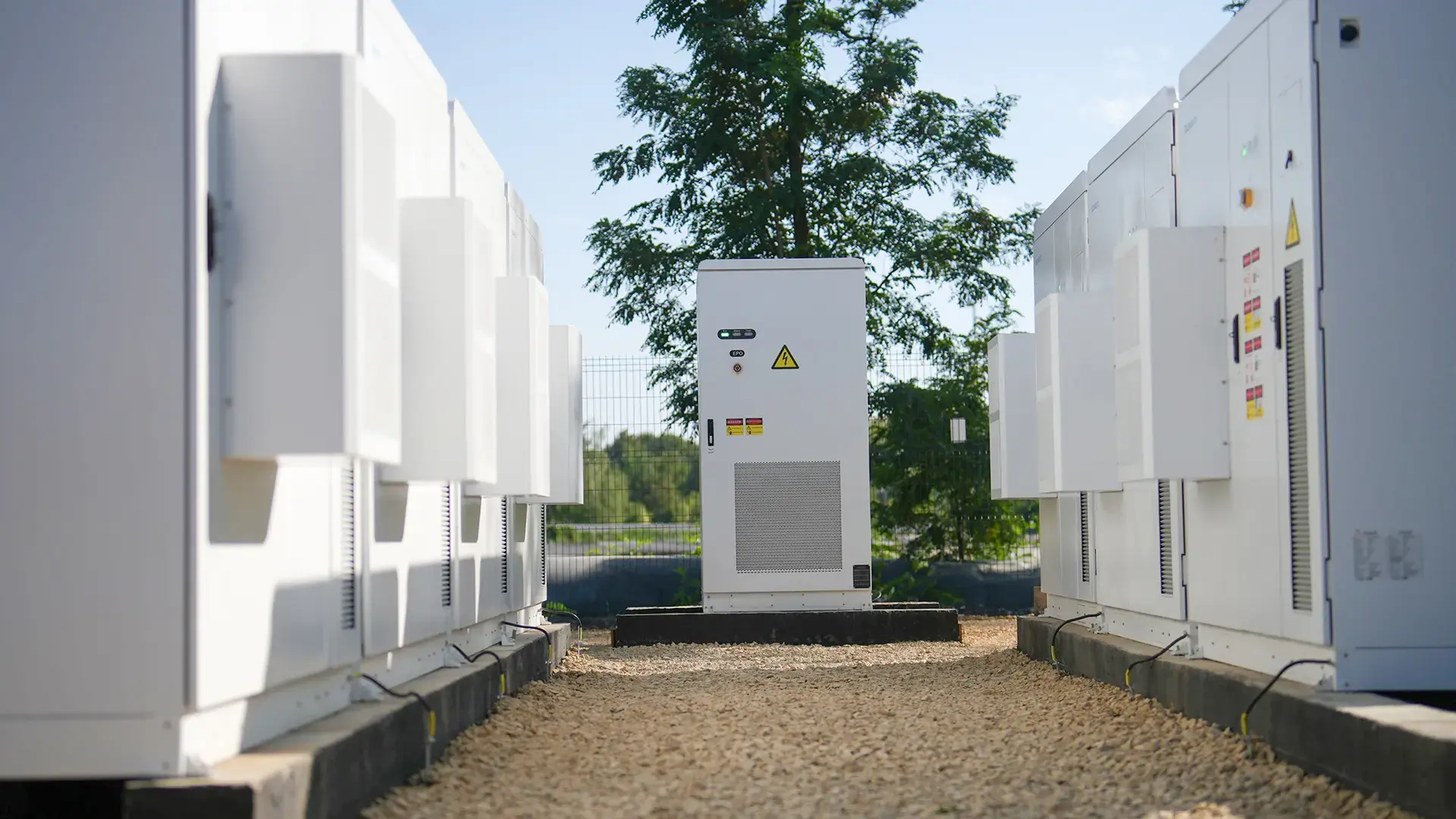
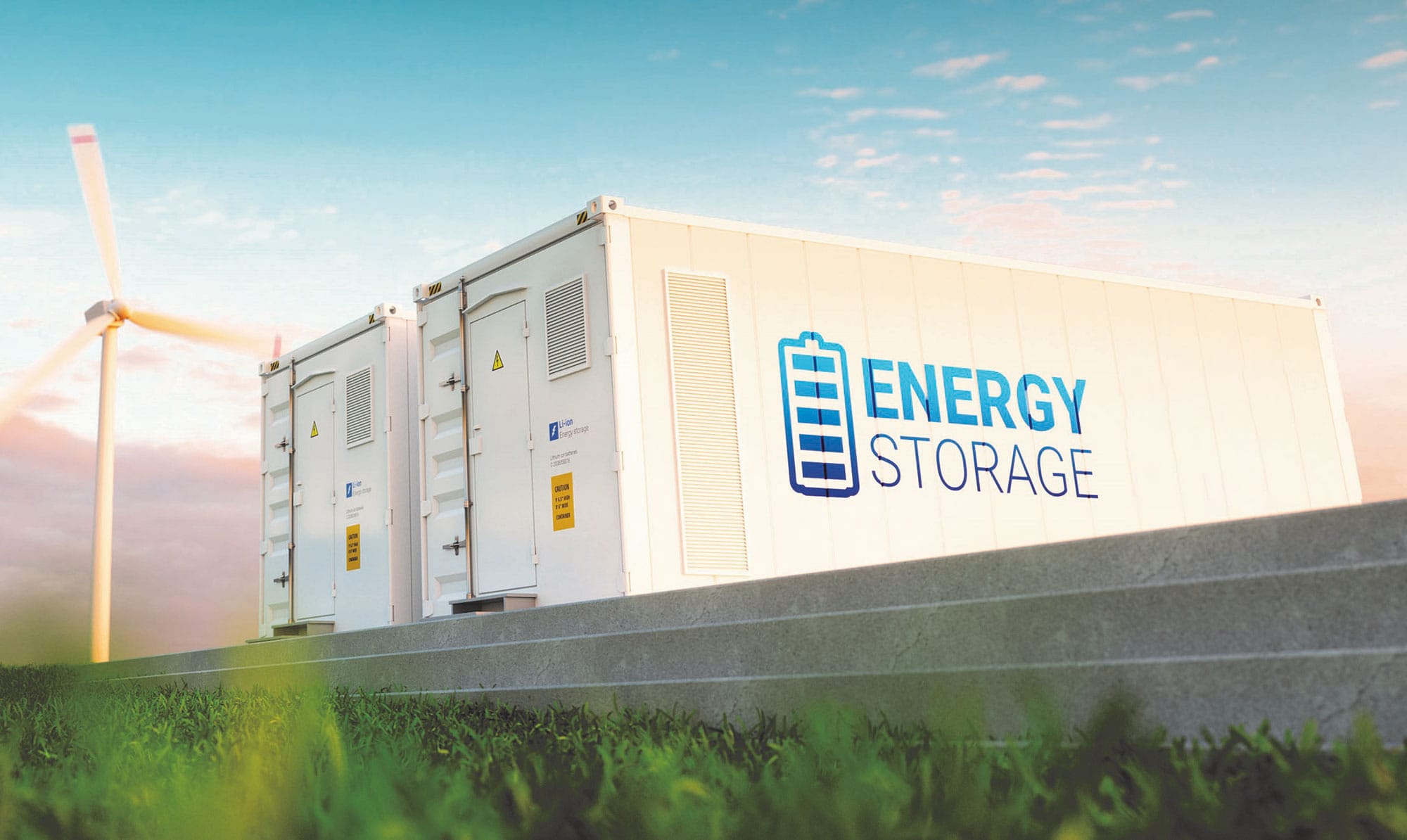
Battery storage can be used as part of an emergency power solution, but also to address broader energy issues such as peak shaving, grid congestion, temporary capacity expansion and the storage of renewable energy.
A battery container or BESS may be worth considering if you:
- requires more autonomy than a standard UPS battery can provide;
- wants to reduce peak demand;
- wants to make smarter use of limited network capacity;
- wants to store renewable energy locally;
- wants to combine emergency power supply and energy optimisation.
For critical emergency power, battery storage must be carefully designed. Consider response time, island operation, selectivity, fire safety, monitoring and integration with the existing installation. Electroproject assesses on a case-by-case basis whether battery storage is the right choice, or whether a combination with a UPS, flywheel or generator set would be more reliable.
Within the BESS sector, Electroproject works with solutions from Intercel and Dunext – on request.